
Travel That Leaves You With More Than Memories
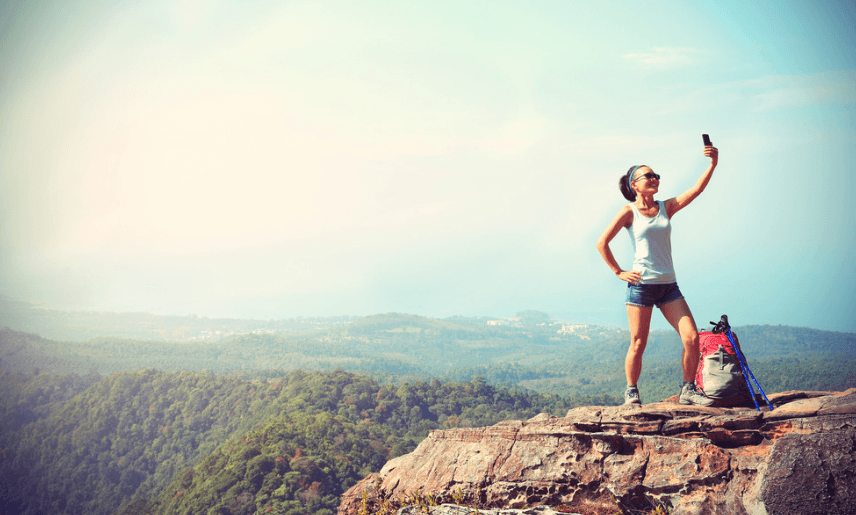
Travel is often measured by the places we visit, but a meaningful journey can offer much more than photographs and sightseeing. It can introduce us to unfamiliar cultures, different ways of living, new flavors, unexpected conversations, and experiences that change how we see the world.
A good trip does not always need to be long or expensive. Sometimes, the way we experience a place matters more than the distance we travel.
See the Destination Beyond the Famous Places
Every destination has its well-known attractions, but these are only one part of the experience. Local streets, small markets, neighborhood cafés, public spaces, and ordinary residential areas can reveal how people actually live.
Taking time to observe daily life can make a destination feel more personal. Instead of rushing from one landmark to another, travelers can slow down and notice the details that make a place different.
Let Food Become Part of the Journey
Food can be one of the easiest ways to connect with a destination. Local dishes often reflect history, geography, traditions, and family customs.
Trying regional food can turn an ordinary meal into part of the travel experience. Local restaurants, markets, bakeries, and street-food areas may offer flavors that are difficult to discover through standardized tourist experiences.
Talk to People and Listen
Travel becomes more meaningful when it includes human connection. A conversation with a local shopkeeper, guide, driver, fellow traveler, or restaurant owner can sometimes provide insights that no travel guide can offer.
Of course, cultural differences should always be respected. Travelers should be considerate about personal space, photography, local customs, and communication styles.
See also: helonium
Leave Some Space for the Unexpected
Planning is important, but a trip does not need to be controlled from beginning to end. Unexpected discoveries can become some of the strongest memories.
A quiet viewpoint, an interesting local event, a beautiful walking route, or a recommendation from someone you meet can change the direction of a day. Leaving some free time makes room for these experiences.
Travel Responsibly
Exploring new places also comes with responsibility. Travelers can respect local communities, avoid unnecessary waste, protect natural environments, and support local businesses when possible.
Responsible travel is not about being perfect. It is about recognizing that every visitor becomes part of the environment they are exploring and making choices with reasonable care.
Capture Moments Without Missing Them
Photographs are wonderful ways to preserve memories, but constantly looking at a destination through a screen can sometimes take attention away from the experience itself.
Taking a few photographs and then putting the device away can allow travelers to fully appreciate a landscape, meal, conversation, or cultural experience.
Bring the Journey Home
The best travel experiences do not necessarily end when the trip is over. A journey can introduce new habits, ideas, foods, interests, or perspectives that continue after returning home.
Perhaps the greatest value of travel is that it can make the familiar world feel slightly different. Seeing how other people live can encourage us to appreciate our own surroundings while remaining curious about everything beyond them.
Conclusion
Travel is not simply about collecting destinations. It is about experiencing places with curiosity, respect, and an open mind. The most memorable journeys often come from ordinary moments: a conversation, a local meal, an unfamiliar street, or an unexpected discovery.
When travelers focus less on completing a checklist and more on experiencing the journey, travel can leave them with something far more valuable than photographs—new perspectives and memories that remain long after they return home.